Of all the things investors say when they pass on a deal, "not right now" is both the most common and the most misunderstood. Most founders hear it as a polite rejection. Sometimes it is. But sometimes it's something far more useful: a specific, actionable signal about what's missing.
Learning to decode investor feedback — including the things they don't say directly — is one of the most valuable skills a founder can develop.
The Five Things "Not Right Now" Usually Means
1. "You need more traction." This is the most common subtext. The investor likes the idea and the team but doesn't yet have enough evidence that the market wants what you're building. The fix: go get traction. Revenue, users, retention, growth rate — something measurable that reduces their risk.
2. "You're too early for my fund." Every investor has a stage thesis. Some only invest at Series A and above. Some only lead rounds, not follow. If they say "not right now," ask directly: "At what stage would this be a fit for you?" If they give you a specific answer, that's a future relationship worth maintaining.
3. "I don't understand the market yet." Investors won't always admit this, but sometimes the pass is about their own knowledge gaps, not yours. If you're building in a niche sector, some investors simply won't have the context to evaluate it confidently. Find investors who specialise in your space.
4. "The team isn't complete." If you're a solo founder, or if there's an obvious skills gap on your team (no technical co-founder for a tech startup, for instance), this can be a blocker. The investor may love the idea but worry about execution risk.
5. "It actually is a no." Sometimes "not right now" really means "no, but I don't want to close the door entirely." The way to tell the difference: ask for specific milestones. "What would need to be true for you to revisit this in six months?" A genuine "not yet" investor will give you a specific answer. A polite "no" investor will stay vague.
How to Respond
Never let a "not right now" end the conversation. Always ask what would need to change.
Send a brief, gracious follow-up email. Thank them for their time. Share the one or two milestones you're focused on next. Ask if you can come back when you've hit them. Then — crucially — actually hit those milestones and follow up.
Some of the best investor relationships I've seen started with a "not right now" that turned into a yes 8 months later. The founders who made that happen were the ones who listened, acted, and came back stronger.
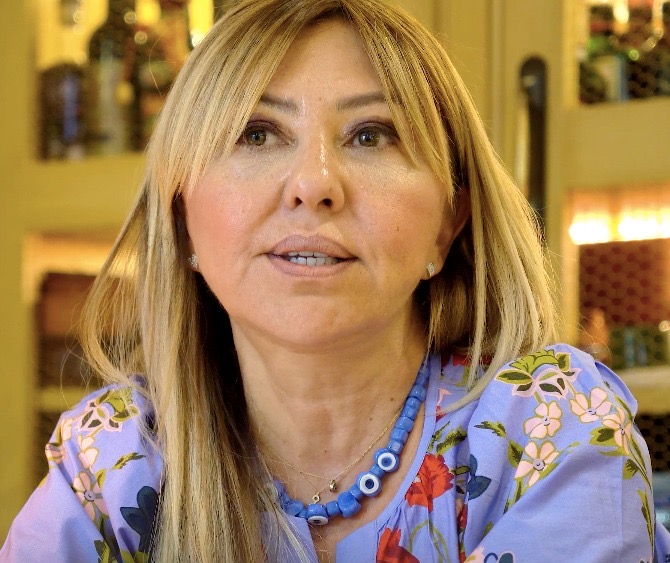
Duygu has spent two decades in the corporate world, startup ecosystem, and investment space. She is the founder of Idea to Impact and author of the entrepreneurship playbook available on Amazon.